In preparation for our upcoming trip to Oman, I scanned my archives on the first trip to Oman back in 2014. Oman is a fascinating country with an incredibly long history back to the times of the old testament and even pre-biblical times.
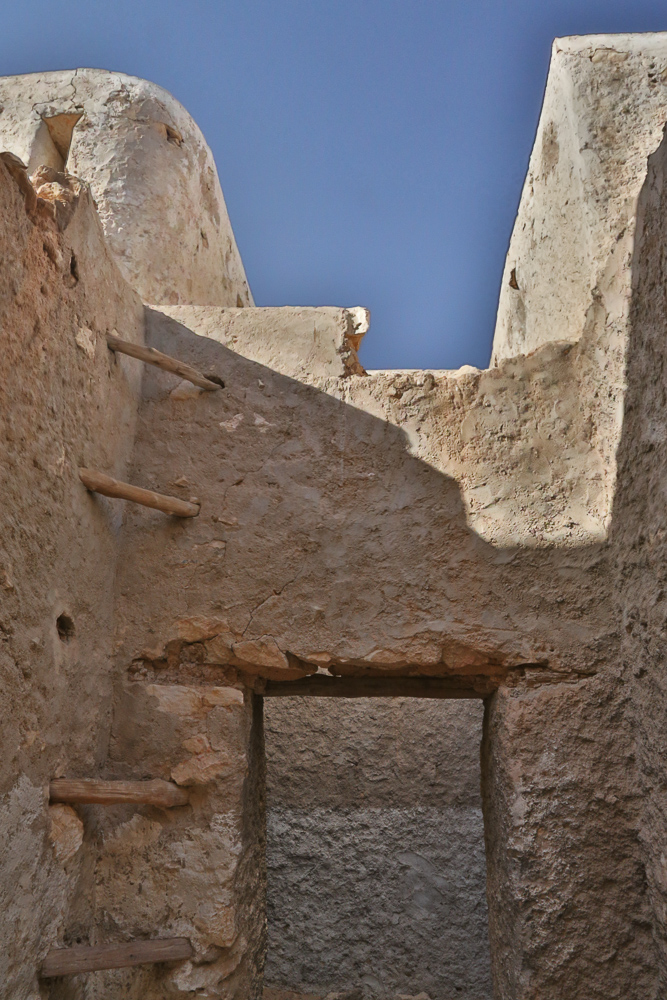
Oh… I am shuddering in awe as I really like old stones and here you can see some ancient stones. Stones from the time when humanity invented civilization, a highly successful but tricky concept we all still have to practice now and then. 🤓
Oman was the very first trade center around something nearly useless but still highly valuable: Frankincense
No temple could be successfully run in the past without this stuff, and as its importance faded and oil took over to run things, the Omanis were lucky to find the oil too. A fortunate country indeed and today no Omani has to work. They are busy, but this is not work as you, and I understand it. 😉
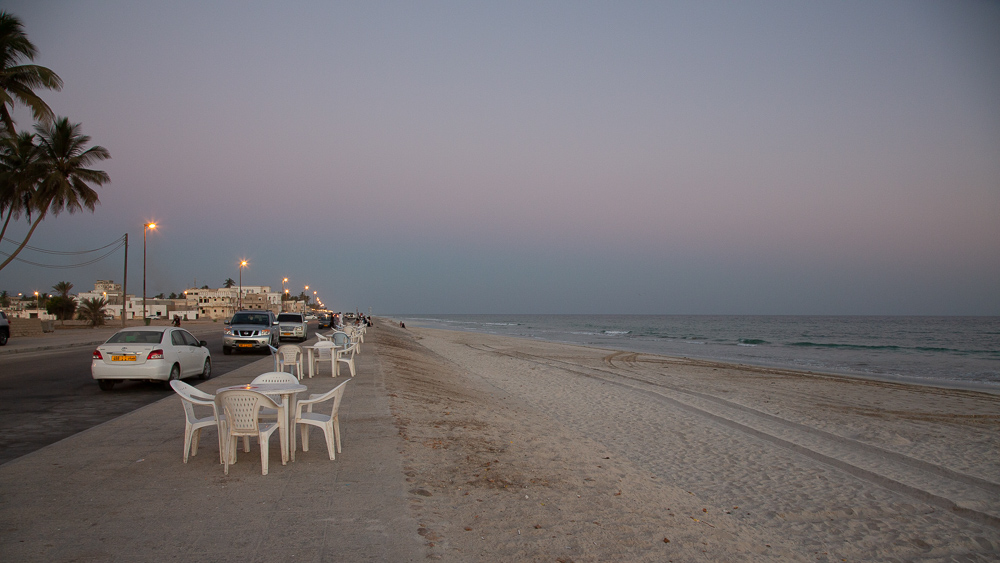
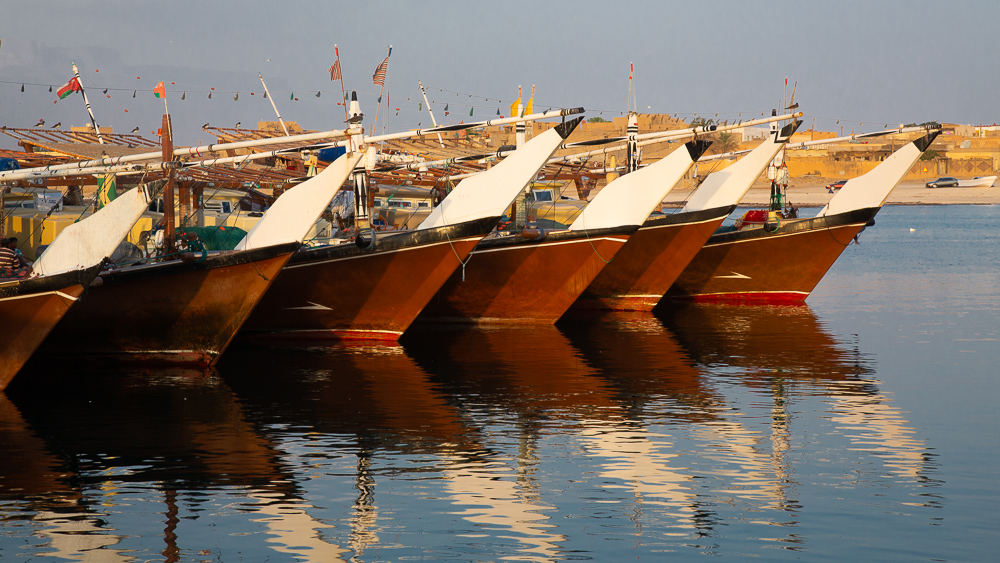
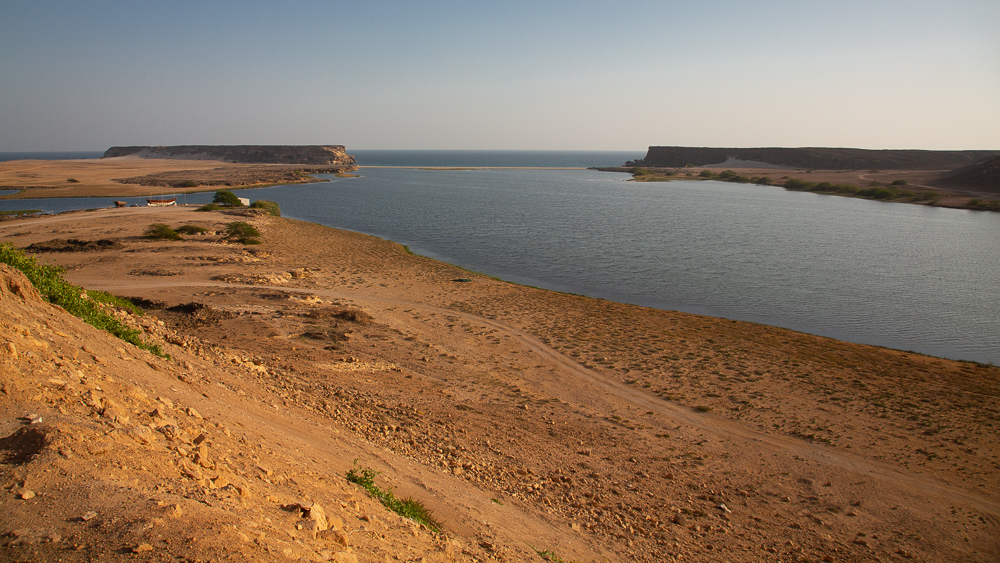
Salalah and along the coast
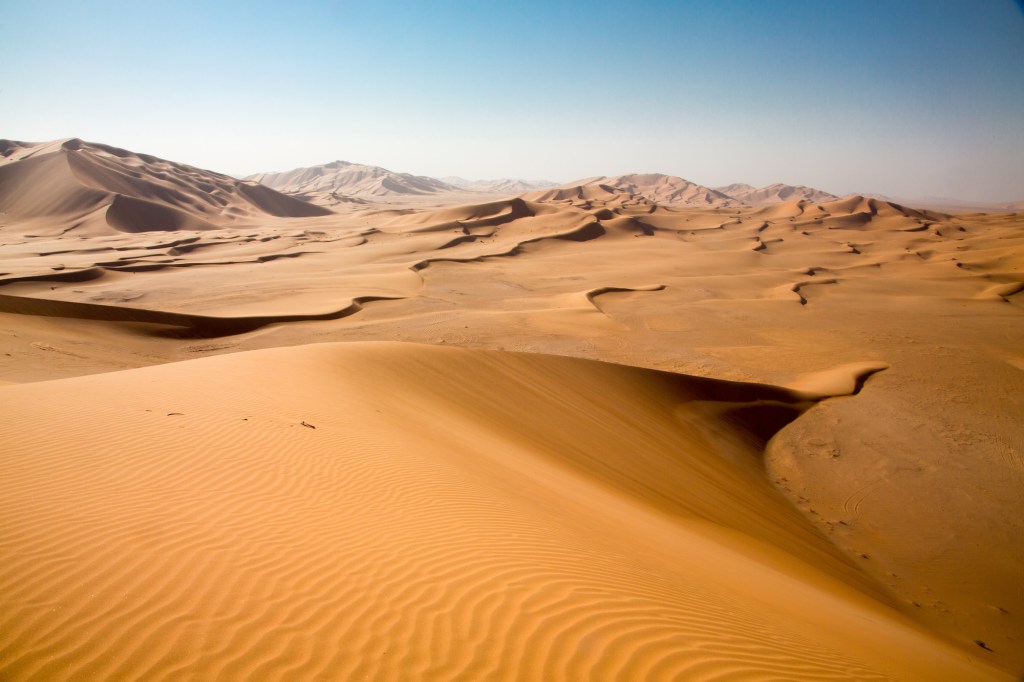
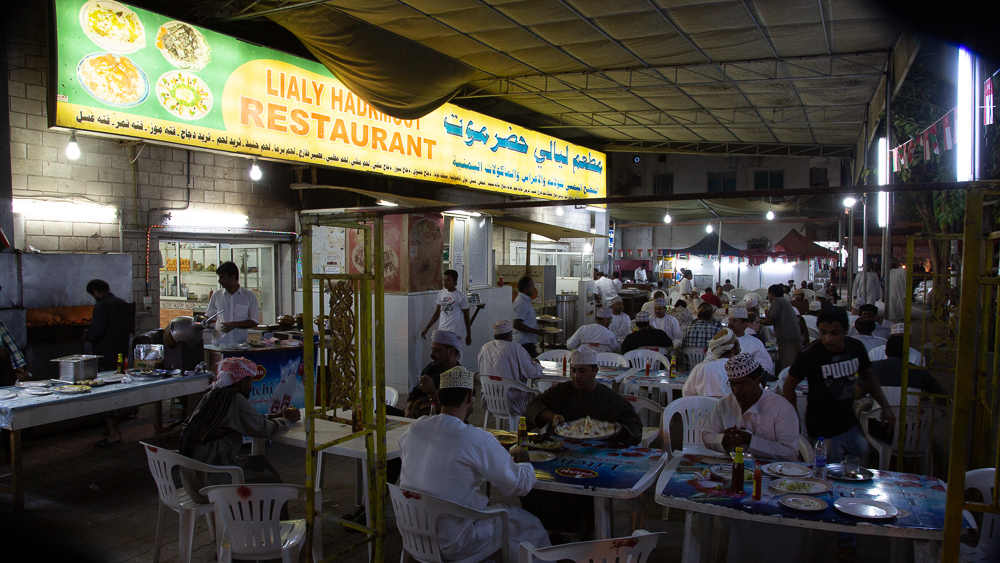
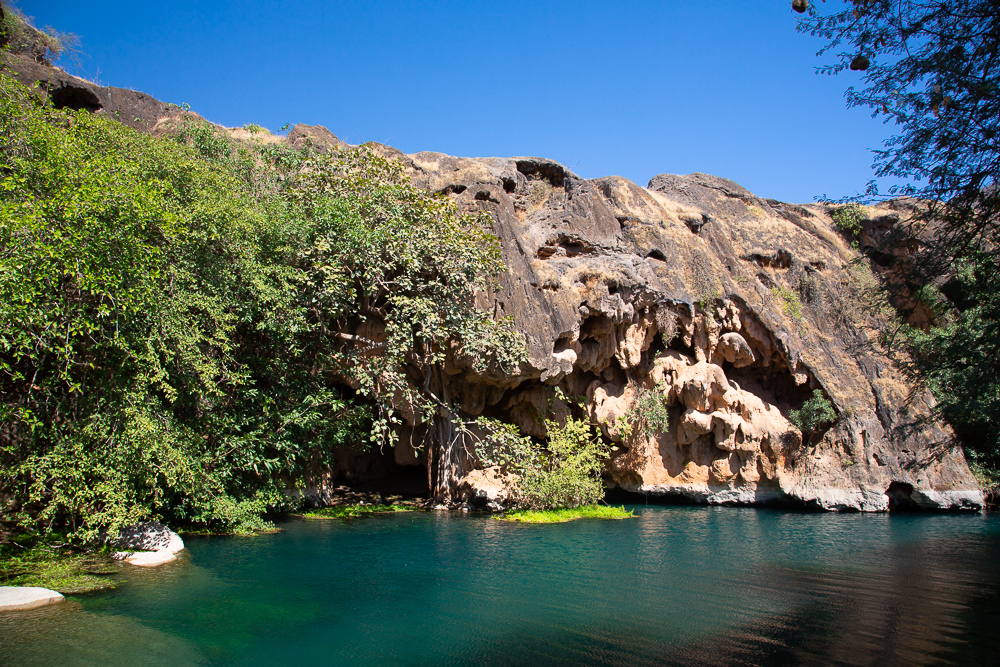
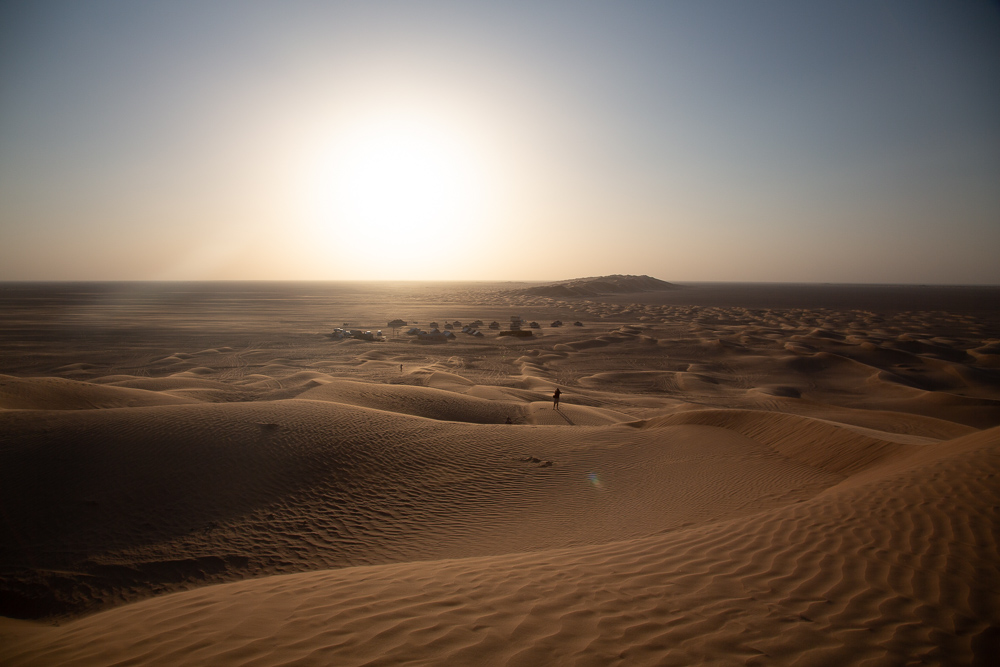
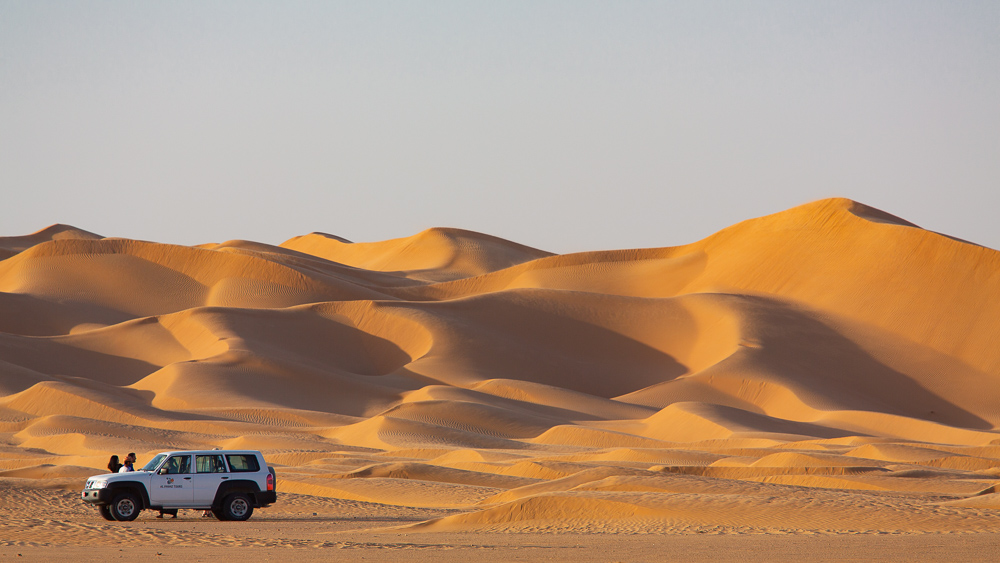
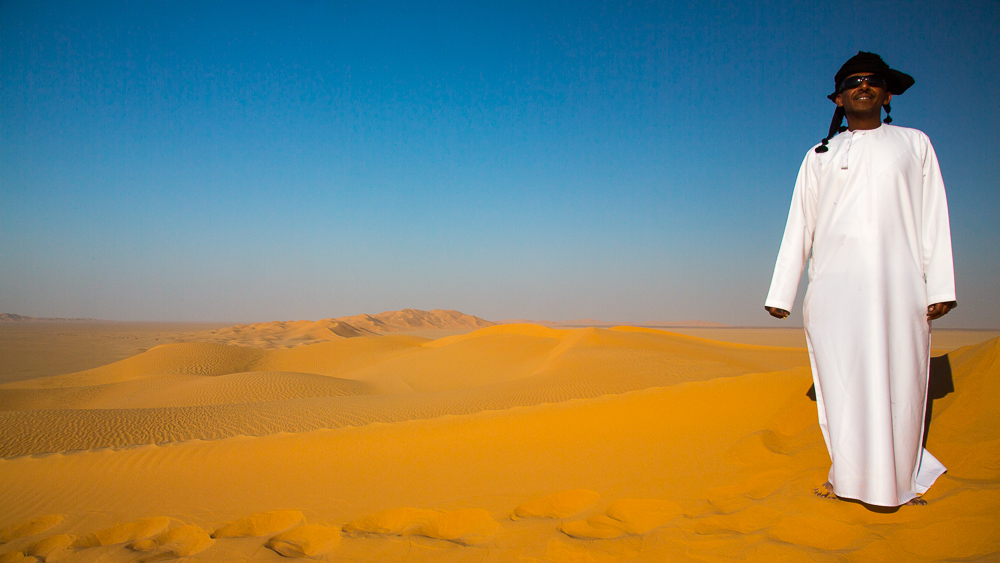
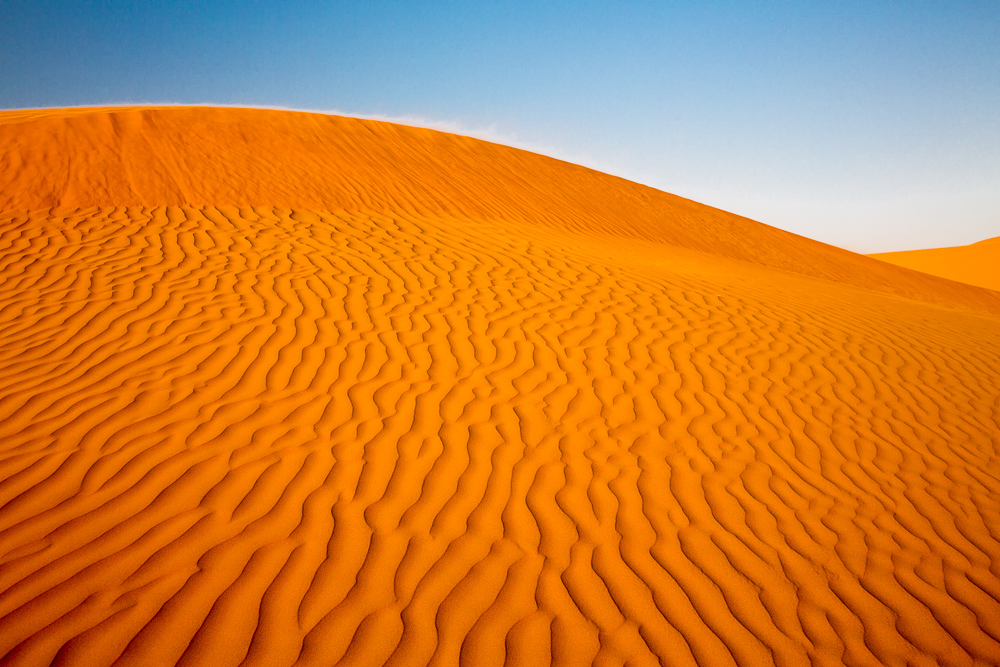
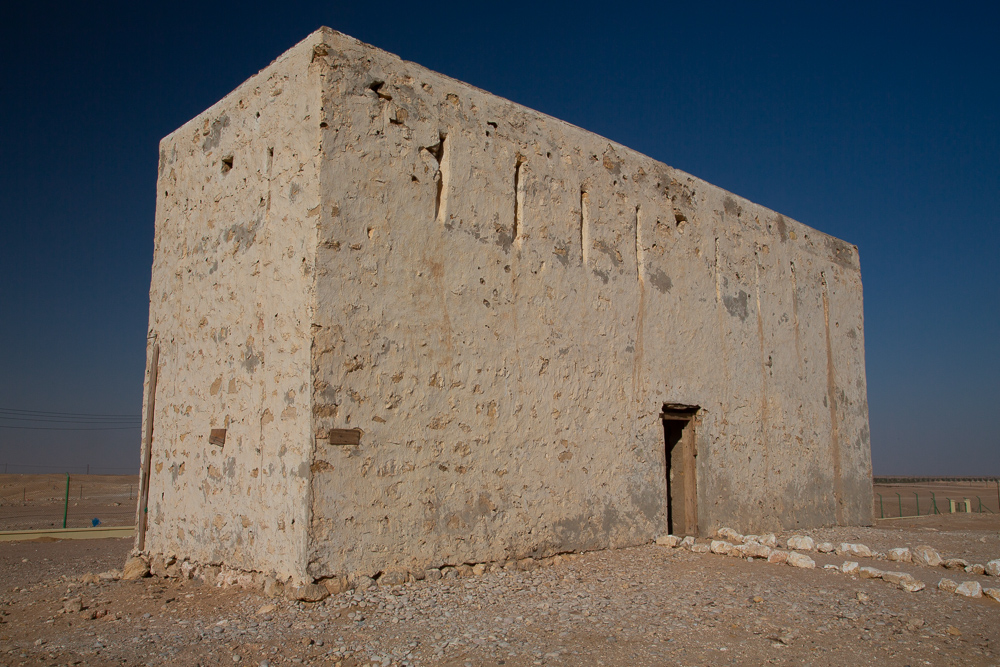
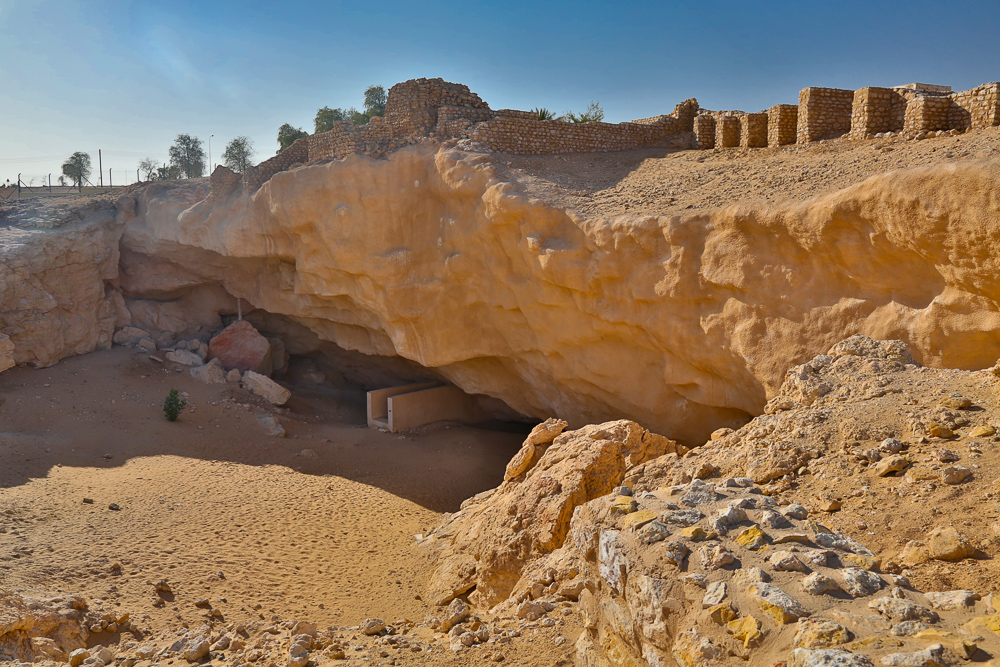
The more exciting part is around Salalah, where you have access to some interesting archeological sites, the coast, the Jabal Samhan, Wadi Darbat, and the deep desert. Maskat is to clean and lacks the old Suks that are all gone. Unfortunately, Arab taste is a blend of Disney, glaring colors and even more plastic but not the authenticity of patina on old stones you can expect in Europe.
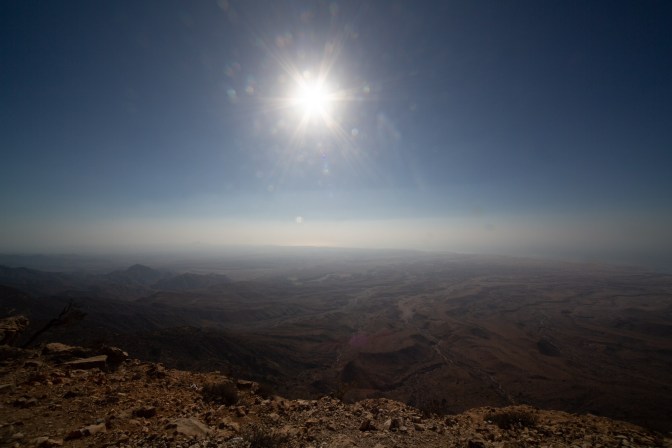
Jabal Samhan
View from Jabal Samhan around 1800m high and with a free view on the Indian Ocean.
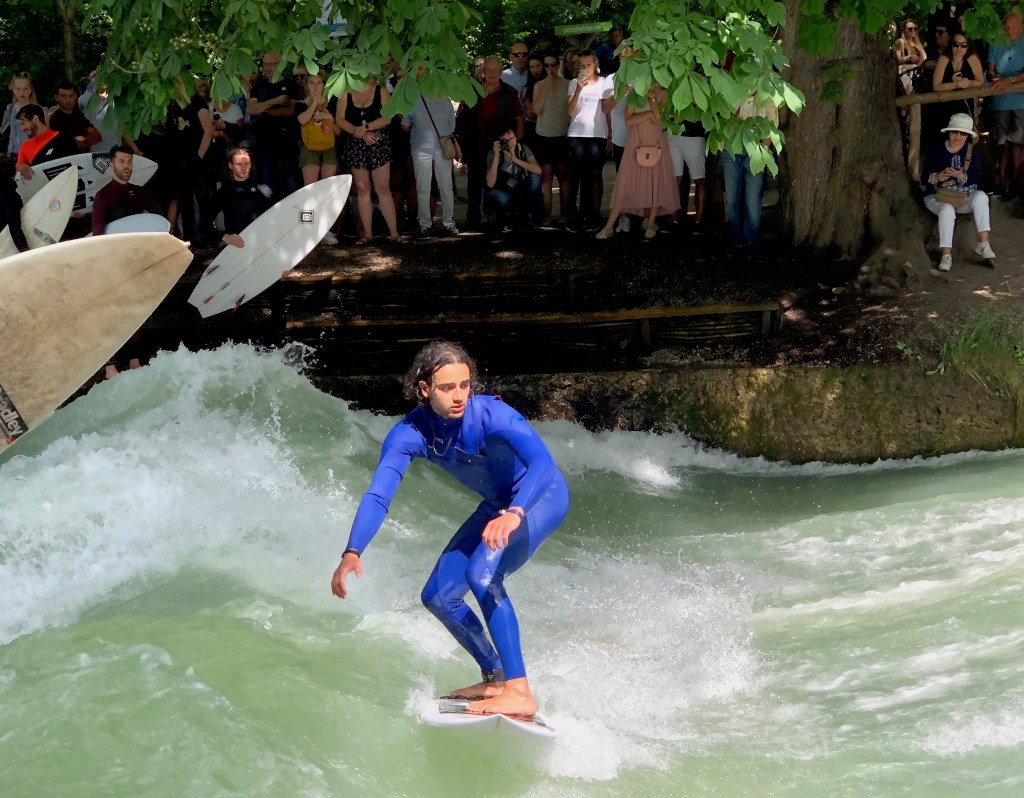
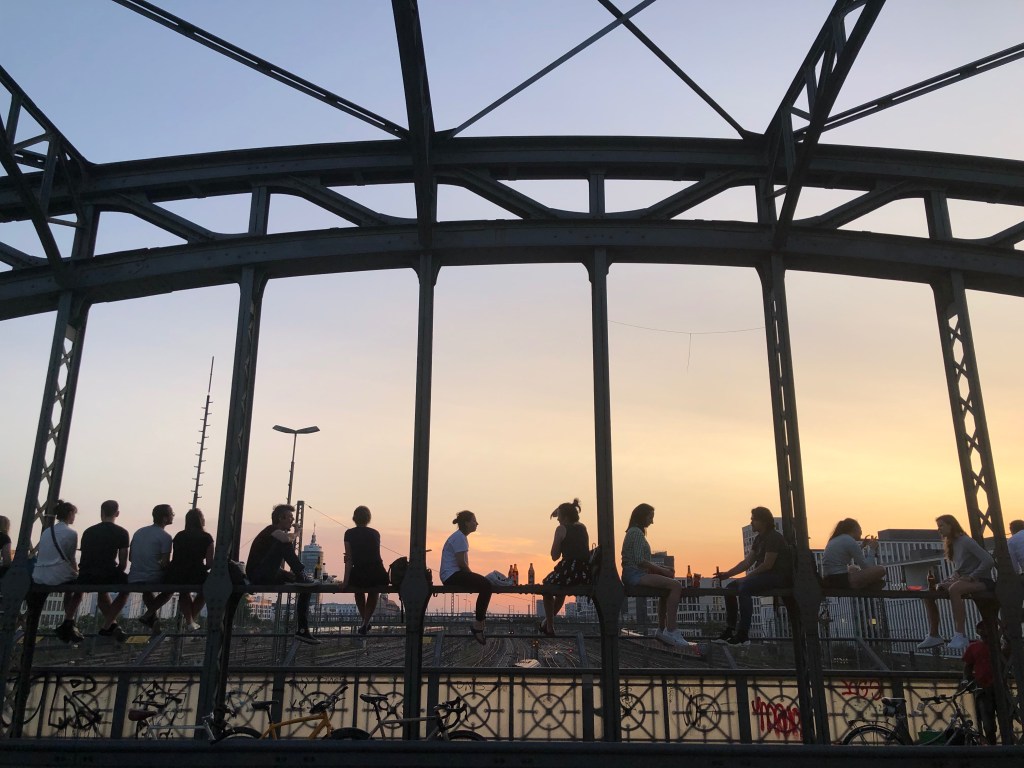
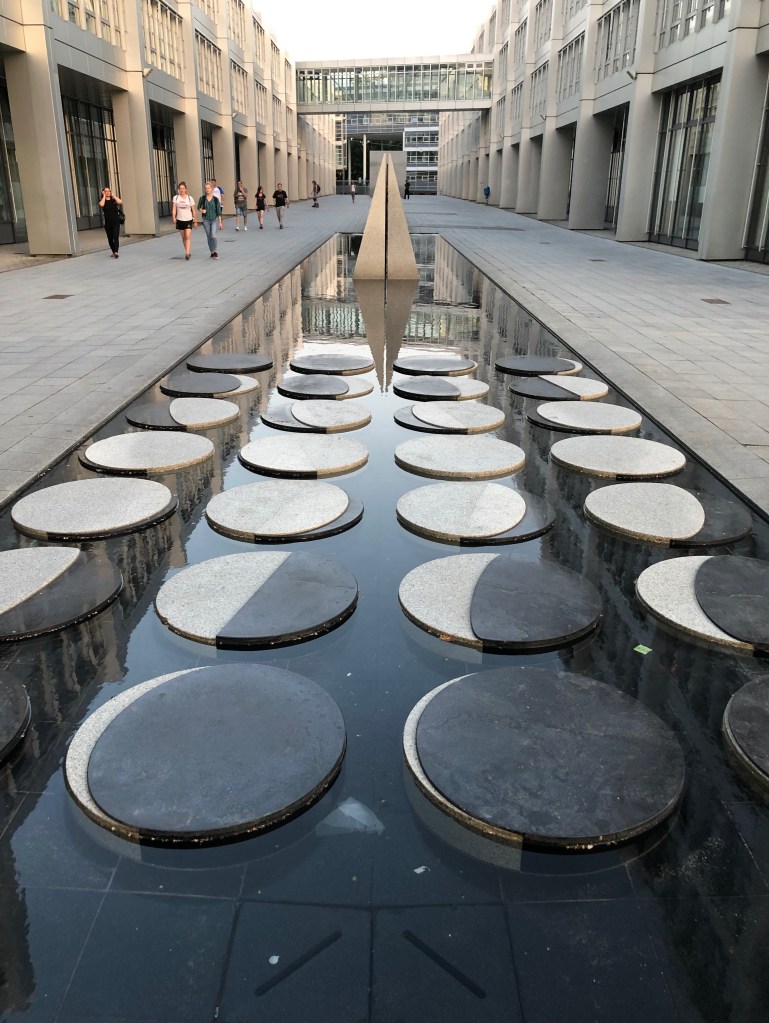
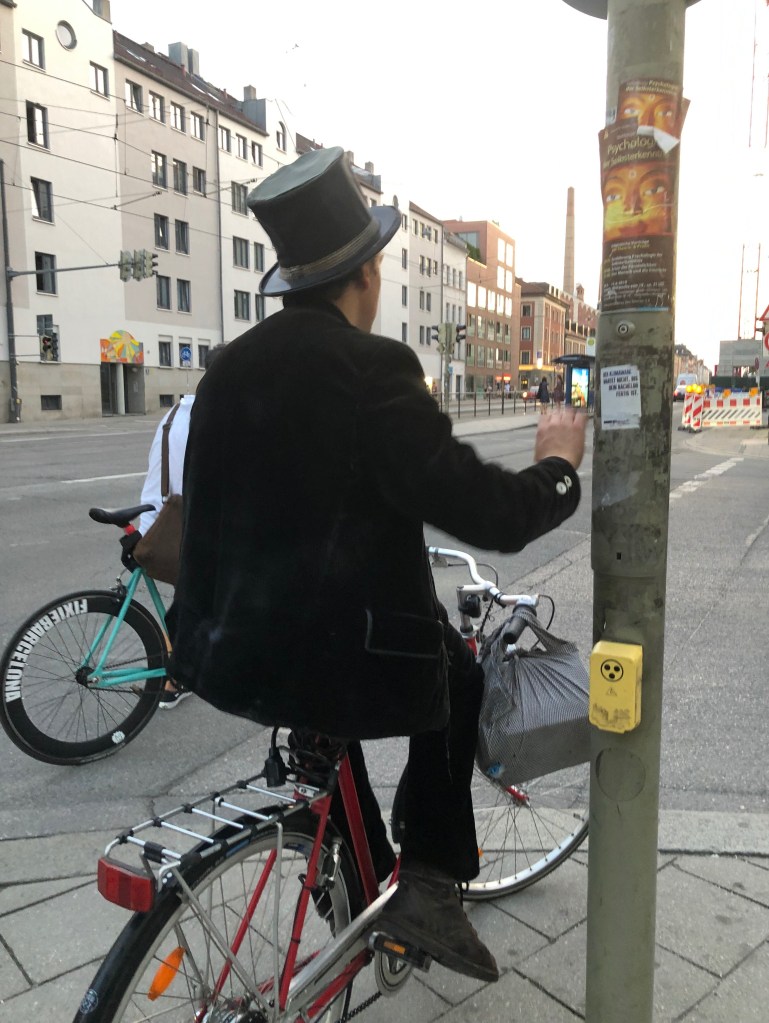
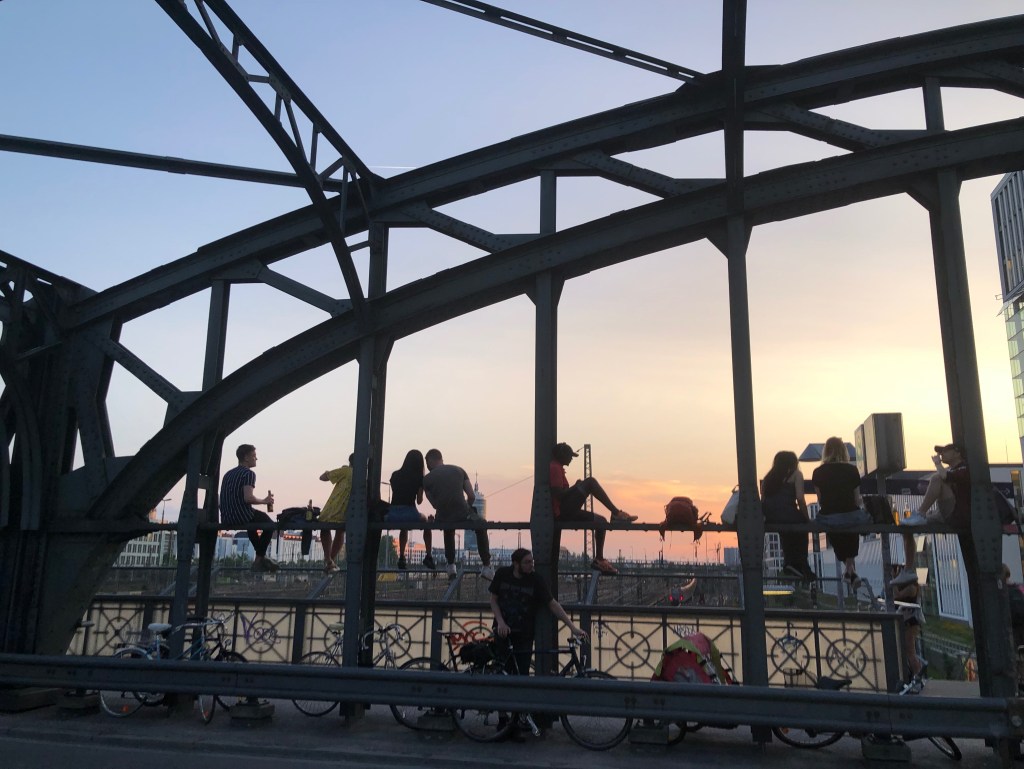
OK, for this post I really do not need a lot of words, see and enjoy yourself. Munich is definitely superior regarding in-city summer action options it offers 😎
The Maldives should be definitely on your short term travel list. See it and check it off from your list as long as it is still there.
We traveled the Maldives in December 2015 on the MV Orion, and two aspects poke into our eyes.
Massive coral bleach, as the year before in Bikini, due to the warm water that was at 28 degrees Celsius in 30-meter depth right in a strong current. No chance for the corals to survive this and the result is no (big) fish. At least not during my dives, when I was waiting at depth in currents for at least some lost reef sharks. After all, this was only proof that the impact of the coral bleach arrived at the top of the food chain. The poor sharks are the salami in the disaster sandwich of collapsing ecosystem and lots of shark-fins loving Chinese.
The second aspect is a shifted and more unstable climate pattern leading to clouds and rain in a time when the sun was guaranteed just ten years before.
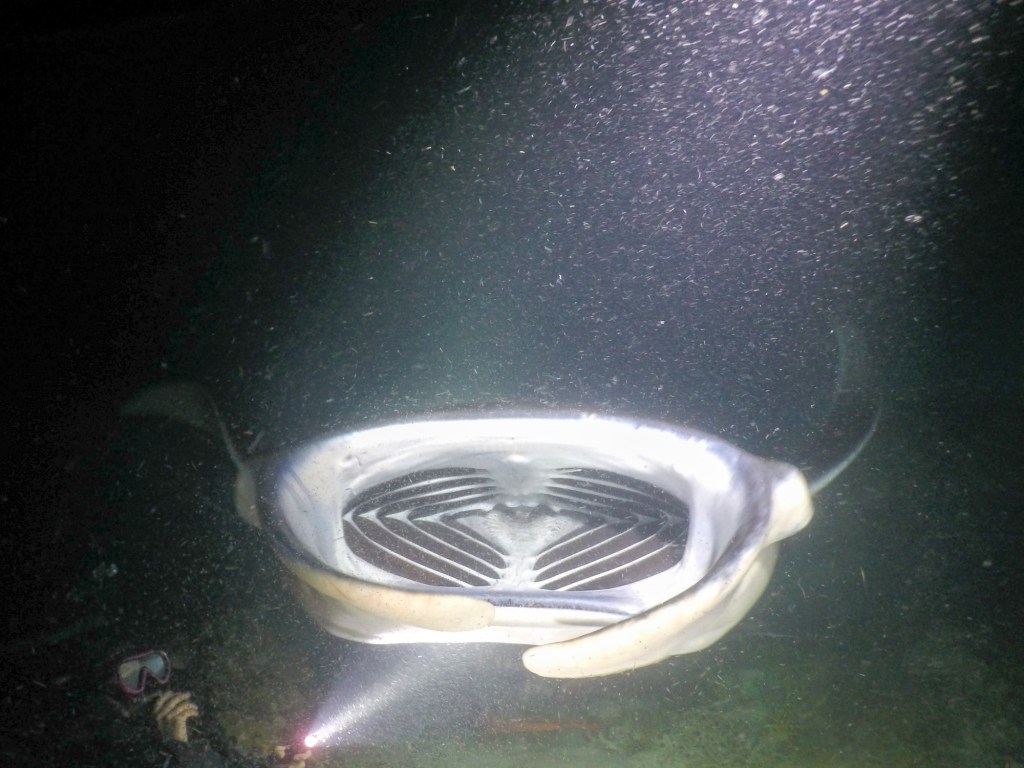
This is a massive challenge for the crew, as the mood of the travelers spirals down the drain as the hope to see them again in the following years. To prevent this, they will cook a plankton soup and invite you to a Manta Campfire.
There is a very famous one in Hawai, but actually, it is straightforward and easy to arrange. The effect is totally and absolutely mindboggling and results in a lifetime experience you should not miss if you enjoy diving, as we do.
Receipt for a plankton soup to serve at the Manta Campfire:
Get to a spot where mantas regularly pass by
Anchor somewhere, where you can drop your divers on a flat undemanding sand floor not to deep, best around 10 meters.
Switch on all your boat lights and point them to the sea. We talk about massive 1000 watt lights here.
Now, wait for a little. After about one hour the sea is full of plankton, and somehow the mantas taste this. They will come to this spot from everywhere around.
After you have briefed your divers that you will personally fin them if anybody touches the mantas you can send them down with their lights, where they have to lay on their backs in a circle and point with their lights up to form the cone of a campfire.
You have a lot of plankton, and the mantas around will go crazy right into a feeding frenzy. If you are one of the lucky divers down there, relax and enjoy the show.
At the end of a hot day, when the soft tar regains some of its former stability but still radiates warmth. When you are starving, but also look for something refreshing and saturating. When you had enough pizza from one of the 1600 restaurants in Munich, when you want to try something new, when you stroll during a hot summer night through Münchner Freiheit district, then you should go for Ceviche, at one of the only 3 Peruvian restaurants here in Munich.
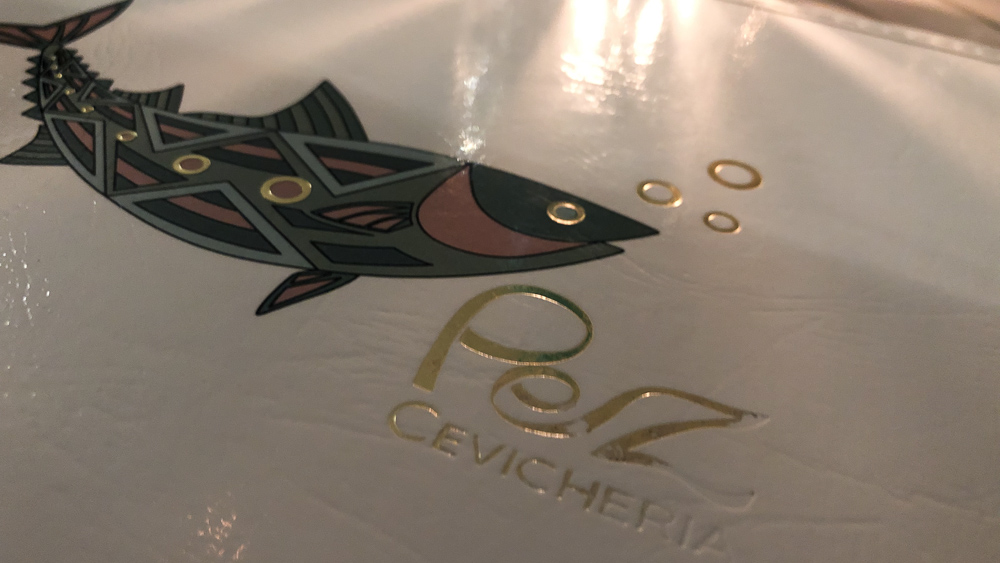
Cevicheria Pez
For me, it is the best way to enjoy raw fish. Sashimi is delicate too, but the Japanese philosophy is so sharply focused on the product quality itself, that it misses the possibilities of mixing and refining.
Ceviche is the perfect mix when you want raw fresh fish and some extra flavors at the same time.
The classical Ceviche itself is when you use the right products in the right quality a guaranteed success. It looks back on thousands of years of success, and it offers a stable, robust platform for some innovative extensions or fusion.
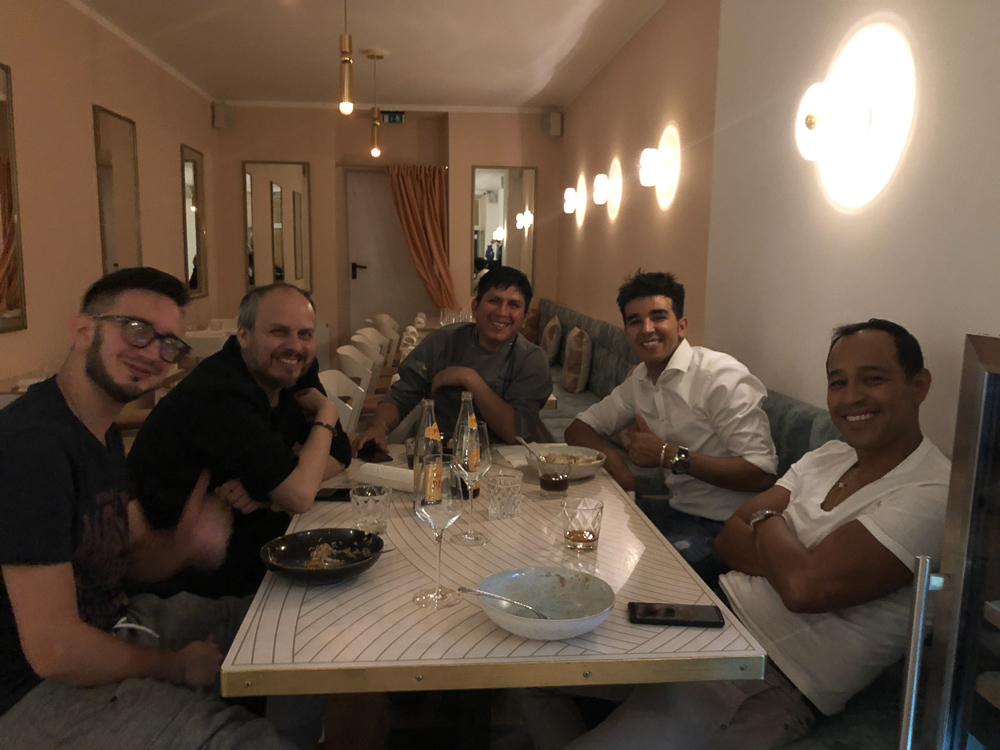
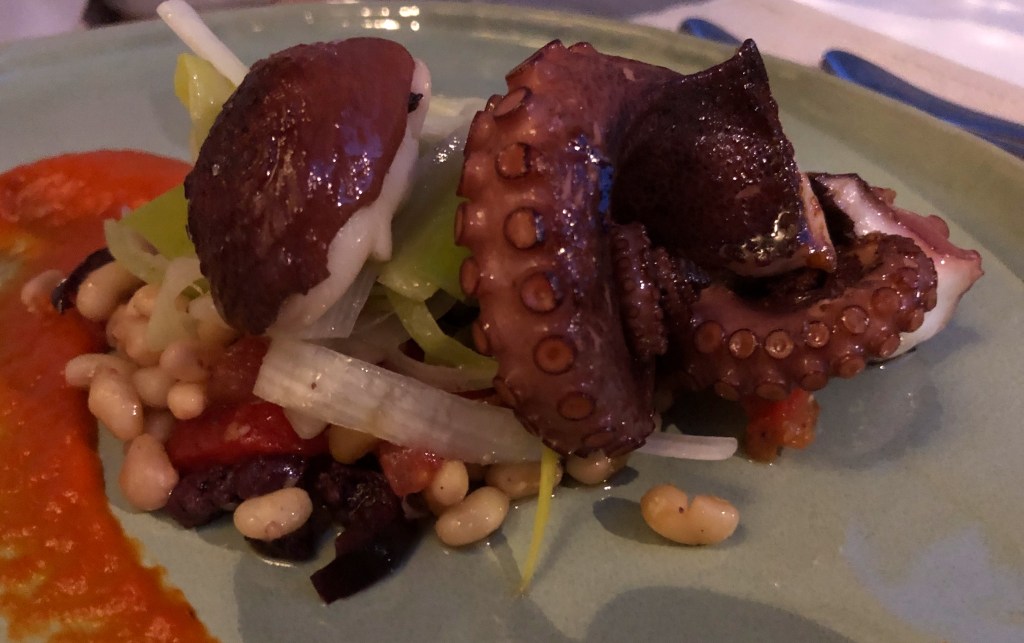
Ceviche Afrodisiaco – with an incredible delicious chili sauceAccompanying wine – Bicicletas y Peces Sauvignon Blanc 2017This is the cool team that will mezmerize you with ceviche
…and if you can engage the chef in a talk about the best spots in Peru and the best way to cook and eat Cuy, you will probably be luck to taste some of those nice ones 😋
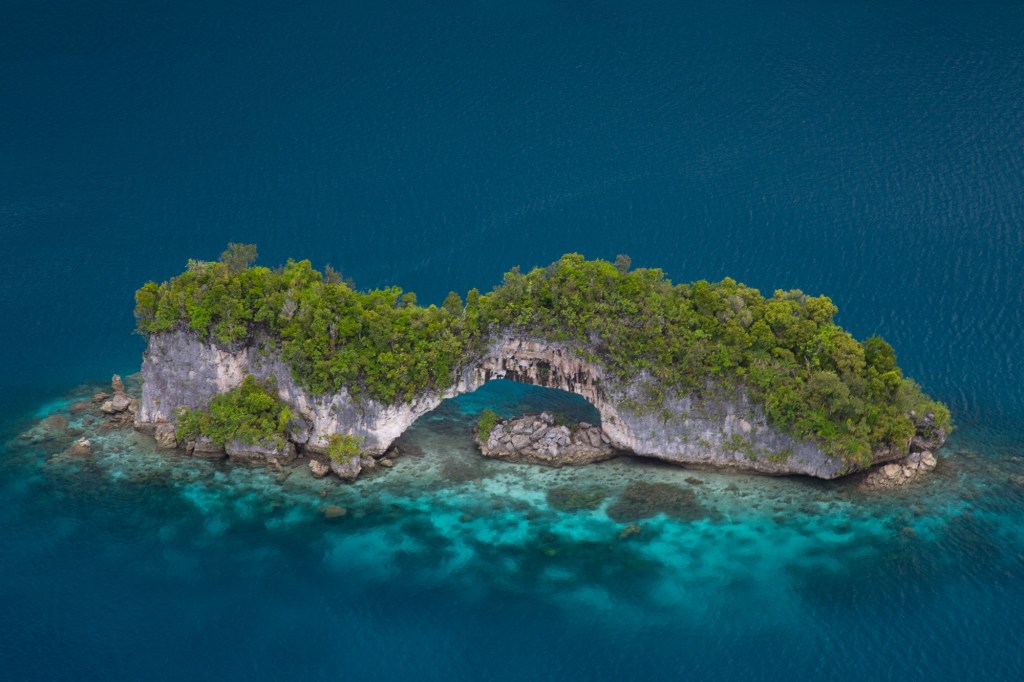
I would like to advertise my work that is available on unsplash.com. Check it out, it is free. The featured picture wich is from a flight over Palau from 2014 has now over 10 million views which makes me proud.
Finally, all my pics and clips are in the cloud. They are in one place to comfortably access about seventy thousand pics and clips from the last forty years. This calls for a long term retrospective on photography, technology, and the related story of disrupted business along the way.
TL;DR warning! This is a long post where I am writing stuff from my soul and you may most probably spend your time elsewhere in a more productive way, you have been warned…
Again some framing: Why do I think it is so cool what happened so far? Why not stick to a Leica or Hasselblad and take some few perfect B&W photos for a gallery wall or just the family photo album or allow only some few photojournalists to grab a Pulitzer prize with their Nikon F? Three reasons:
B&W does not automatically transform photos into artful photos, as many from the orthodox photography guild somehow think.
Few people will actively choose to see pictures on a gallery wall or in a museum.
Even fewer people will see your family photo album, including your family.
What is so good about what we have today? It is because of stuff like this:
It is mind-boggling to see how much is behind those mash-ups:
It requires Instagram or something similar to share the result 📷
Actually, I am not a big fan of Instagram, as I do not understand it, but the picture found me, so thank you Instagram 😊
It requires the Unsplash Photo Community, which is from my point of view the pinnacle in the development so far 👌
It requires me having time and money to travel to some remote locations ✈️
It requires a lot of technology – I love technology 😍
It requires a lot of time and the right mood from the right people ⏳
However, all this time and effort is from my point of view, absolutely worth to be spent this way. It connects people over time and space, and that is always a good thing, as it leverages our overall value and therefore wellbeing.
It increases our ability to refine information. It is one of my most fundamental beliefs that this and not money should define value of humans in our human society.
Practicing photography does this in a large scale for many people around the globe and allowing people to evolve from just taking snapshots to photographers makes the world a better place.
I consider myself as a serious semi-pro in photography. Like nearly every other computer nerd, I discovered photography during my teen-time. My first camera was a Yashica. Not an SLR but still a real camera with lens allowing to learn the balance between aperture and exposure.
The first target and this is quite stable since then, is a piece of paper 15cm by 10cm to show to family and close friends and archive for later retrieval.
The second target was a piece of DIN A4 piece of paper to hang on a wall for some very few selected photos to show to everybody, even though not really reaching more than family and some friends.
Then I moved on to my first SLR, a Minolta without autofocus (I do not miss this time). I can even remember pulling photo paper through the stabilizer in the darkroom (do not miss that too).
The business model was so clear and straightforward. Kodak was the dominant backend player. Kodak even invented or built the first digital camera, and now Kodak is just an exhibit in the museum of business that failed to adapt to new environments. Nikon and Canon, as frontend satellites, are still orbiting ambitious photographers but many other great names vanished since then. The dramatic drop in sales numbers for the new mirrorless system cameras is perhaps the final sign for the upcoming Götterdämmerung.
My cameras were Agfa for snapshots during vacation, Yashica, Minolta, and Olympus again for vacation snapshots. I used various Olympus models up until nearly 2000, as they offered incredible convenient ways to use 35mm film.
LizardFrankfurter Fernsehturm
Then, in the late 90ies, as the Internet was happening everywhere, it was a natural move for me to take advantage of it. Here with my first photo manipulation on one of my jumps, that I could morph from 10cm to 1 meter. 🤓😎
Pic from my very first home page at the university – flying highThe real source – flying slightly less higher 😁
…imagine the effort I would have had to do this analog. Simply out of reach. Source Kodak Photo CD and Photoshop 3.0 on Windows 3.1.
Around 2000 the digital age slowly started to get a face. I can still remember how the professionals of that time laughed at digital and totally neglected the possibility it would ever catch up with the analog chemistry.
An industry was looking back on over a century of successful development. A well-established business model with various big and small players at the edge of disruption and not able to see it. It also had a significant impact on the other side. The photographers had a comfortable price per copy and were protected by local semi-monopoly.
Times Square – NYC 2002
This is the first picture from somewhen in late January 2002 after leaving a tourist trap shop on Time Square that sold it. I mean they robbed my money. I was just too greedy to putt my claws on this fine digital gadget.
During my trip through Namibia finally, I got some real food for my new Canon 40D that I used from 2007 to 2009 and made 5500 pictures. Some are really nice and still hanging on my wall.
Mystic remnants of camelthorn trees in the Deadvlei lime pan
Acceptable quality for a large print and one of the most beautifully bizarre places on our planet. However, no public interest. I know, there are just too many other shots of exactly this tree at that time of the day.
Buy it here… This agency really managed to not sell one single piece of art. You can help them… or just reach out to me 😀
5th leg of an elephant
The picture above is the first real big number. It was the first to attract attention, unfortunately in a very embarrassing way. I called it the 5th leg, and it is by far my most successful photo on Flickr. Please do not ask on how many sick lists this landed. Thirty thousand of views and still a reliable daily source for new views.
Uahhhhhh!!!
Another big hit is the alligator gullet. Yes, think of any sick hobby, and the Internet will find a host for it. Some bored Japanese guys kicked off a best gullet on the net search and also found my alligator from my trip 2008 in Florida I think I was number two or three on that list and the search generated a lot of traffic.
The picture above from the STS-122 mission was not a big hit. For me, it is still on my lifetime top list. Witnessing a shuttle launch, even from 5km away is a very intense experience.
In 2006 I thought that micro stock portals would now start to finance my equipment. I was wrong. Surprisingly, the world of microstock had not waited just for me to arrive late at a party.
ordinary Oban Scotch but at the very source
This is my commercially most successful photo from that phase. Commercially successful translates to a meager three digit number of downloads, so after all, even the combined effort of my membership at: • iStockphoto (canceled, read iStockphoto story below) • Adobe Stock (formerly Fotolia) • Dreamstime • Shutterstock and • Phantermedia was commercially a waste of time. However it was not a total waste of time, as I got, at least from time to time, some hard to swallow but helpful feedback, that improved my technical abilities and sharpened my eye for quality.
There are four types of feedback you will get as producer:
The bytes on our expensive server HD arrays already spill over on this topic. Actually, this is ironic, as the storage cost per pic is neglectable. It is the process around. Here you hit the right spot, but others have been there before. Usually, it is a dull spot, at least for me.
Artifacts! I got this many times on pictures I took with my 40D in proper light in raw that I uploaded nearly unprocessed in 100% jpeg. I am still not sure if this was not a coded hidden message as f* off!
Will not sell; this motive does not attract our target audience.
Very seldom you will get real feedback for your picture, and I am still thankful for this, as it helped me get better.
From an overall business perspective, micro stock portals are a plague for most photographers. The price at which they sell is ridiculous low. You will find acceptable royalty free pics for less than a dollar.
As a buyer, you may find this cool, as a producer, I have to compare it to slavery and forced prostitution. The amount of post processing time you have to put into any picture is significant and only pays back if the image is a big seller.
This also means for the buyer, it is less unique and less useful. It will not transport your story. The people will see through it. It will pass through brains without leaving any traces.
If you consider, that for any successful set of photos you will need to travel to a non-standard location and/or will need a studio setup and/or even worse: models where you need a model release, as the pictures have to be royalty-free which translates to…
let us reuse the prostitution language context, as it is so intense and colorful in this case: you can do whatever you want with the picture, whatever sick phantasy you have in mind, the image is yours for a dollar, and you can do whatever you want – enjoy your day.
This only dropped price levels even lower and increased the amount of seamless, high-quality and exchangeable business stock art where happy young business professionals (real people look different and real people know this too) are cheering around whiteboards and green vegetables in meeting rooms from outer space.
From my artist and business perspective, this destroyed photography as a storytelling art that we desperately need in business. Photography is essential for storytelling, and there is no business without narration. Get real photography for your story about your business!
I learned a lot, especially that micro stocks and I are not a good fit. Even though iStock was my best channel at that time, it was also the greatest pleasure to cancel the contract. I may probably still have to work on my anger management, but please take this to consider before you judge me.
Here I learned, there is a reflection in the lower left side. Look for yourself:
Gotham from above
Do you see it? It is true. There is a reflection. Therefore the quality of the picture is not enough to be sold for 1€ per photo. This hurts, as they had no comparable pictures on this topic and I think Manhattan is always a good topic.
Then, in 2013, I assembled my first notable youtube clip. 44k views so far, considering I am not talking about the latest lipstick not that bad, right?
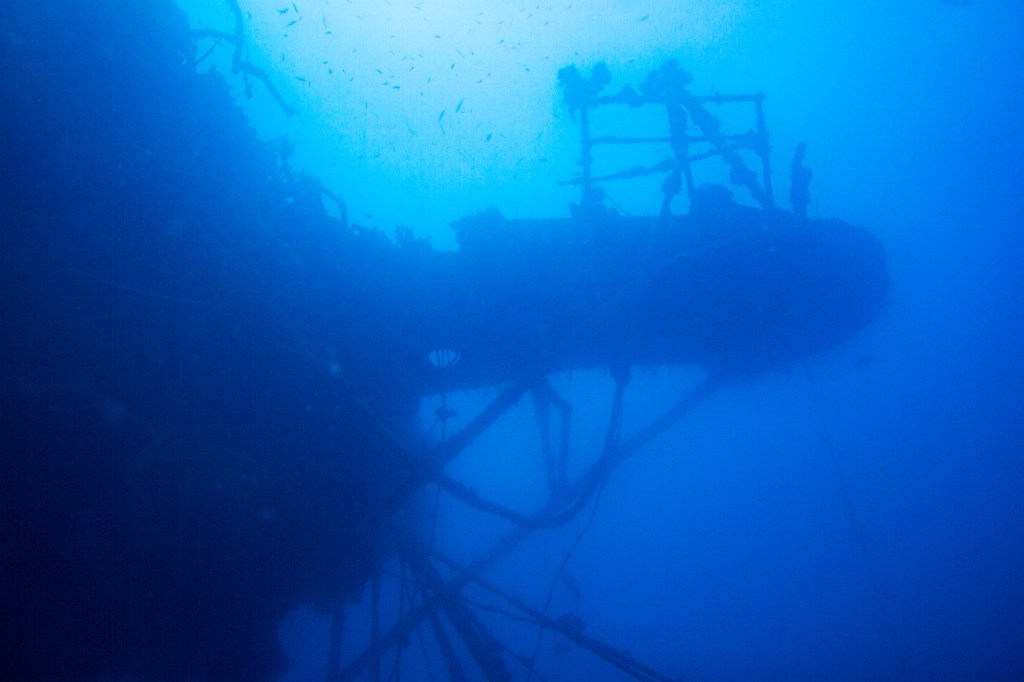
In 2014 I finally got some real off world material to make something from, and I produced the Heavy Cruiser Prinz Eugen dive clip.
I intended to assemble a dive clip that is less boring as the usual ones, so I linked it into a storyline that makes sense. Where does the Prinz Eugen come from, what has the ship been through, and how does it look like now. It has now +600k views, which is totally and overwhelming for me.
Everything else is dwarfed by magnitudes by unsplash.com.
I am now at 25 million views and counting. Stay tuned…
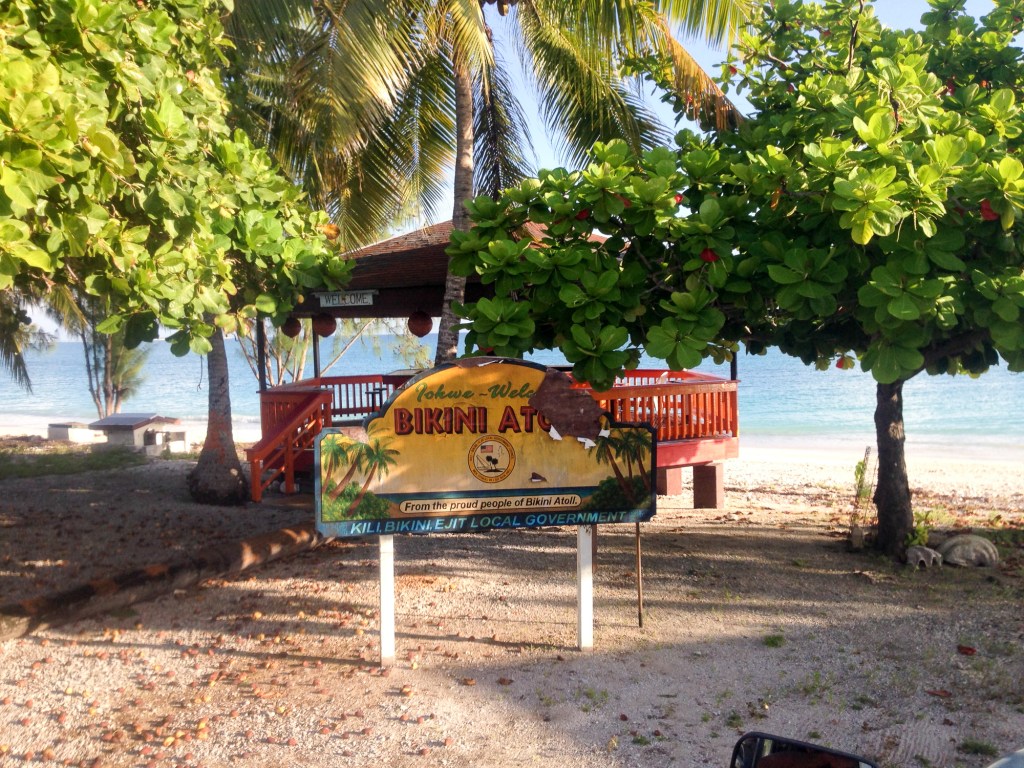
…those plans are hard to get. The whole story of what happened in the Bikini Atoll in the 50ies is about to fade away and it should be avoided at any cost, as els wise we are doomed to get through it again.
Castle Bravo and the Tzar Bomb were both incredible foolish experiments.
However, here are the plans and I can only recommend to take the trip to Bikini. The USS Saratoga will most probably collapse in the next 5 to 10 years and then there is nothing left as a beacon to remember what happened.



















 Kydroon